Podcast: In the rapidly shifting landscape of global digital media, one format has managed to do the unthinkable – it has made the world slow down
Nilambar Rath
The “Podcast,” once a niche audio experiment for tech enthusiasts, has morphed into a multi-billion-dollar cultural juggernaut. For the media fraternity, research scholars, and digital industry stakeholders, understanding the podcast is no longer optional—it is a study of the future of human conversation.
The Etymology: Why “Podcast”?
The word “Podcast” is a portmanteau of iPod (Apple’s iconic portable media player) and Broadcast. It was coined by British journalist Ben Hammersley in a February 2004 article for The Guardian. Initially, it wasn’t a formal industry term but a suggestion in a list of potential names for the “booming new medium” of amateur radio and audio blogging.
The name stuck, though it has outlived its namesake hardware. Today, you don’t need an iPod to listen to a podcast, but the “Pod” prefix remains a nod to the mobile, on-demand revolution that allowed users to carry a library of voices in their pockets.
The Evolutionary Journey: From RSS Feeds to Visual Studios
The journey of the podcast is a masterclass in medium adaptation.
- Phase 1: The Audio-Only Era (2004–2014): Early podcasts were essentially “Audio Blogs.” Distributed via RSS feeds, they were consumed by a small, tech-savvy audience.
- Phase 2: The Narrative Breakout (2014–2018): The true crime series Serial changed everything. It proved that millions of people would commit hours of their lives to a single, deep-dive story.
- Phase 3: The Video Shift (2019–Present): Today, we are in the era of the “Video Podcast.” Led by titans like Joe Rogan and Lex Fridman, the format has moved from your headphones to your mobile/television screen. The “slow and narrative” style is a deliberate counter-reaction to the 15-second dopamine hits of TikTok and Instagram Reels.
The Aesthetic Shift: The “Studio Mic” Look
One of the most visible changes in the digital industry is the aesthetic of the podcast.
- Goodbye, Lapel: The discreet lapel or “lavalier” mic, once the gold standard of TV news, is being phased out in the podcast world.
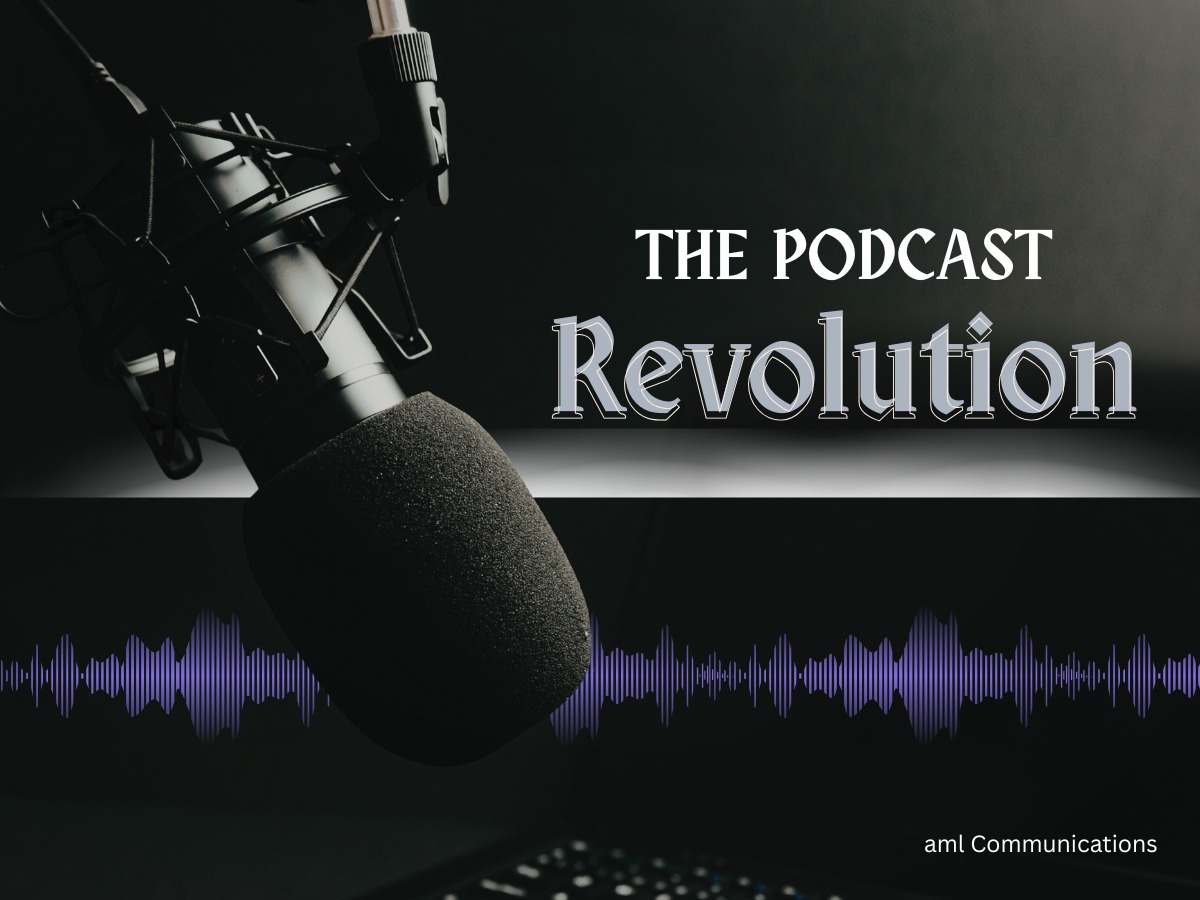
- The Power of the Frame: Modern podcasts deliberately place large, professional studio microphones directly in the frame.
This isn’t just about audio quality; it’s a visual signal of authenticity. To the viewer, seeing the mic creates an “intimacy of the studio.” It signals that this is a raw, unedited, and high-fidelity conversation. The “look” of today’s podcast is characterized by moody, low-key lighting, three-camera setups (host, guest, and wide), and a comfortable, living-room-style environment that encourages psychological safety for the guest.
The Global and Domestic Leaderboard
The Global English Powerhouses
As of 2026, the English-speaking world is dominated by formats that prioritize intellectual depth over sensationalism:
- The Joe Rogan Experience: Still the undisputed king of reach, blending comedy, science, and long-form debate.
- Huberman Lab: A science-based podcast by Dr. Andrew Huberman that has turned “health optimization” into a global obsession.
- The Daily (NYT): The benchmark for high-production, narrative-driven news.
- The Rest Is History: A prime example of how niche academic subjects (history) can achieve massive commercial success through storytelling.
The Indian (Hindi) Frontier
India has seen a meteoric rise in Hindi podcasts, reflecting a hunger for “Bharat-centric” wisdom:
- The Ranveer Show (TRS): Host Ranveer Allahbadia has pioneered the “Spiritual-Scientific-Success” genre in Hindi.
- Unfiltered by Samdish: A masterclass in political and social “slow journalism” that uses the podcast format to conduct long-form, one-on-one interviews.
- The Desi Crime Podcast: Proving that the true-crime fascination is universal, blending local context with high-quality narration.
- Bhagavad Gita (Audio Pitara): Highlighting the demand for ancient wisdom in contemporary digital formats.
Replacing the Traditional Interview?
To what extent has the podcast replaced the 10-minute TV interview? The shift is nearly total. In traditional media, an interview is a “performance” restricted by commercial breaks. In a podcast, the interview is an “exploration.” High-profile figures (politicians, CEOs, celebrities) now prefer podcasts because they offer the luxury of context.
Research indicates that Gen Z and Millennials view traditional TV interviews as “edited and biased,” whereas they view 3-hour podcast conversations as “authentic and transparent.” The podcast has effectively democratized the one-to-one interview, moving it from the hands of news anchors to independent creators.
Algorithm and Discovery: The YouTube Factor
Does YouTube promote podcasts? Absolutely. In 2024, YouTube fully integrated “Podcasts” into its main interface. By 2026, the algorithm has evolved to favor Average View Duration (AVD). Podcasts, which naturally keep users on the platform for 60+ minutes, are “gold” for the YouTube algorithm.
The Shorts Loop: YouTube now actively pushes “Clips” (Shorts) from full-length podcasts to new audiences. These 60-second snippets act as a “trailer,” leading the viewer to the full 1-2-hour video.
The Odisha Story: The Rise of Digital ‘Charcha’
In recent years, the podcast revolution has struck a powerful chord within the Odia digital landscape. A new generation of creators is masterfully blending age-old traditions of oral storytelling with sophisticated digital formats, transforming the Odia YouTube ecosystem. What began as niche audio snippets has matured into high-stakes, video-first productions that frequently dominate local trending charts.
Leading this vanguard is Argus Digital, specifically through its long-form flagship series, “Kichhi Katha Kichhi Barta.” Hosted by Sangram Sarangi, the show has garnered millions of views by facilitating raw, unfiltered conversations. From Ollywood icons like Anubhav Mohanty and Sabyasachi Mishra to viral comedy duos like Krishna and Sibani Rout, the podcast serves as a platform for both celebrated and unsung heroes. By moving away from the hurried, often sensationalized “breaking news” cycle, these shows embrace a “slow-burn” narrative. This allows guests the psychological safety to reveal life struggles and redemption stories in a way that feels authentically Odia.
The impact extends beyond mere entertainment. Educational and motivational podcasts—focusing on UPSC and Odisha Civil Services (IAS/ OAS) strategies and professional growth—are witnessing massive adoption among the youth in urban hubs like Bhubaneswar and Cuttack. For the native Odia audience, the podcast has evolved into a digital ‘Charcha’—a virtual community space where cultural heritage and modern aspirations converge, proving that the most powerful tool in the digital age is still a simple, honest conversation.
OdishaLIVE and the Genesis of the Long-Form Interview
While the current podcast boom in the region is highly visible, the seeds were sown early by digital pioneers like OdishaLIVE, a ‘digital-only’ platform launched in 2012. So, long before the term ‘podcast’ became a household word in the state, OdishaLIVE broke away from traditional media templates to launch deep-dive, long-form interviews that explored diverse and often untouched subjects.
Over the last 3-4 years, their specialized podcast series—led by engaging hosts like Subhashree Nayak, Smrutirekha Panigrahi, and Abhinna Asutosh—has cultivated a loyal and sophisticated audience. By focusing on intellectual depth and high-quality production, OdishaLIVE set the benchmark for narrative-style digital content in Odisha. Their repertoire goes beyond mere celebrity chatter, often venturing into social causes, career-building, and cultural milestones, effectively acting as an archive of contemporary Odia thought.
This early commitment to “slow journalism” provided the structural foundation upon which today’s vibrant Odia podcasting community continues to build.
Strategic Insight for Stakeholders
For researchers and media houses, the key takeaway is Niche Loyalty. Unlike viral videos that peak and fade, podcasts build “communities.” A podcast listener is more likely to trust a host’s recommendation, making the “host-read ad” one of the most effective tools in the 2026 marketing arsenal.
The podcast is more than a trend; it is the digital age’s version of the village campfire—a place where we go not just to hear news, but to understand the people behind it.
#GlobalPodcastBoom #Long-formContent #YouTubePodcasts #DigitalMediaTrends #OdishaDigitalCharcha
(Disclaimer: The data, rankings, and trends mentioned in this article are based on public statistics and market analysis as of February 2026. Individual creator performance and platform algorithms are subject to change based on specific niche and engagement metrics. The author had explored AI tools while developing this analytical piece. The, author is a senior journalist, communication specialist, digital enthusiast & media entrepreneur, and the Founder Editor & CEO of OdishaLIVE Media Network. Prior to the entrepreneurial journey he had led various newsrooms in the regional & national television arena including ETV Network and News18 Odia. Views expressed are personal.)
Courtesy: OdishaPlus